
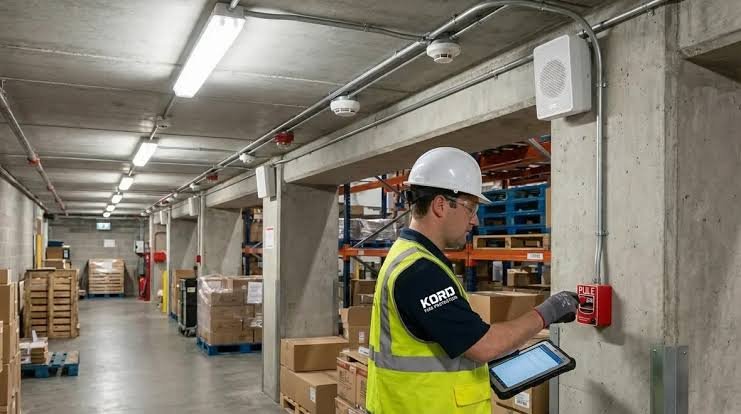
Warehouses play an important role in Pakistan’s economy. They store products, raw materials, packaging, machinery, electronics, food items, textiles, and many other goods that businesses need to operate. However, storing large quantities of materials in one place can create serious fire risks if safety measures are not properly planned and maintained.
A warehouse fire can damage valuable stock, interrupt deliveries, affect employees, and disrupt business operations. Depending on the materials stored, flames and smoke may spread rapidly, while blocked aisles or inaccessible exits can make evacuation more difficult.
The good news is that many warehouse fire risks can be reduced through practical measures. Safe storage, electrical maintenance, suitable firefighting equipment, employee training, and regular inspections all contribute to a safer working environment.
A suitable Fire alarm system in Pakistan can provide early warning of a potential fire when correctly designed, installed, and maintained. However, an alarm is only one part of a complete warehouse fire safety programme.
This guide explains warehouse fire safety in plain English, highlights common hazards, and outlines practical steps warehouse owners and managers can take to protect people, goods, and property.
1. Why Is Warehouse Fire Safety Important?
Warehouses often contain large quantities of combustible materials. Cardboard boxes, paper, wooden pallets, fabrics, plastic packaging, and certain stored products can contribute to fire growth. Electrical equipment, charging stations, generators, machinery, and maintenance activities may introduce additional hazards.
The layout of a warehouse can also affect safety. High storage racks may make some areas difficult to inspect, while tightly packed goods can obstruct access to firefighting equipment or emergency exits.
Warehouse fire safety aims to reduce the likelihood of a fire starting and help people respond appropriately if one occurs.
Key benefits of effective fire safety
- Protection of employees: Clear procedures help workers understand how to respond to an emergency.
- Protection of stock: Safe storage and suitable fire protection can reduce the risk of extensive losses.
- Business continuity: Preventive measures may reduce the likelihood of costly operational interruptions.
- Improved emergency preparedness: Training and evacuation planning help employees act more confidently.
- Better safety management: Regular inspections make it easier to identify and correct hazards.
Fire safety should be part of everyday warehouse operations rather than a task considered only after an incident.
2. Identify Common Warehouse Fire Hazards
Before choosing safety equipment, managers should understand the specific risks in their warehouse. Different facilities require different arrangements depending on the goods stored, building design, equipment, and work activities.
Combustible storage materials
Paper products, textiles, wooden pallets, cardboard, and some plastics can contribute to fire spread. Large quantities of these materials should be stored according to an appropriate storage plan.
Electrical equipment
Damaged cables, faulty connections, overloaded circuits, and poorly maintained electrical panels may create ignition risks.
Machinery and material-handling equipment
Forklifts, conveyors, charging stations, and other equipment require appropriate inspection and maintenance. Faults should be reported and corrected by authorised personnel.
Hot work
Welding, cutting, grinding, and similar maintenance activities can produce sparks or heat. These tasks require suitable controls, authorisation, and precautions appropriate to the work and location.
Hazardous substances
Some warehouses store flammable liquids, aerosols, gases, cleaning chemicals, or other hazardous materials. Their risks depend on the substances, quantities, packaging, and storage conditions.
Managers should maintain an accurate inventory, review product safety information, and seek specialist advice where necessary.
Identifying these hazards is the first step toward selecting effective preventive measures.
3. Store Goods Safely and Keep Aisles Clear
Warehouse storage arrangements affect both fire prevention and emergency response. Poorly organised stock can obstruct escape routes, restrict access to equipment, and make inspections difficult.
Goods should be stored in designated areas, with suitable spacing and arrangements based on the warehouse design, the materials involved, and applicable fire safety requirements.
Good storage practices
Follow rack capacity limits. Storage racks should not be overloaded. Damaged racks should be reported, and affected areas should be restricted when necessary until the problem is assessed.
Keep aisles accessible. Marked aisles and emergency routes should remain clear of pallets, boxes, trolleys, and other obstacles.
Separate incompatible materials. Chemicals and other hazardous products should be stored according to their safety documentation and applicable requirements.
Manage packaging waste. Remove accumulated cardboard, plastic wrapping, and rubbish regularly.
Protect firefighting equipment. Do not allow stock to block extinguishers, alarm call points, hydrants, or other safety equipment.
Follow the storage plan. Changes to stock type, quantity, or arrangement may affect fire risk and should be reviewed before implementation.
Safe storage is not simply about keeping a warehouse tidy. It helps maintain access, reduce hazards, and support a more effective emergency response.
4. Maintain Electrical Systems and Equipment
Electrical safety is a major part of warehouse fire prevention because facilities may use extensive lighting, power distribution, refrigeration, conveyors, charging equipment, and machinery.
Electrical faults should never be ignored. Warning signs can include damaged insulation, unusual heat, burning smells, visible damage, or repeated circuit-breaker trips.
What warehouse managers should do
- Arrange electrical installation and repair work through qualified professionals.
- Inspect equipment according to its instructions and maintenance schedule.
- Keep electrical panels accessible and free from stored materials.
- Remove damaged equipment from service when appropriate.
- Avoid overloading sockets or using unsuitable extension leads.
- Ensure that maintenance work follows appropriate isolation and energy-control procedures.
Workers should not attempt unauthorised repairs or bypass electrical protection devices.
Generators and backup power systems also require proper installation, ventilation, maintenance, and fuel-handling arrangements. Their location and operation should comply with the relevant safety requirements.
Regular professional inspections help identify issues that may not be obvious during ordinary daily operations.
5. Install a Suitable Fire Alarm System
A fire alarm system helps warn people when a potential fire has been detected. Depending on the facility, the system may include smoke detectors, heat detectors, manual alarm points, audible alarms, visual notification devices, and a central control panel.
The correct system depends on the warehouse’s size, ceiling height, layout, stored materials, environmental conditions, and occupancy. Dust, temperature variations, and other site conditions may affect detector selection and placement.
What should be considered?
When evaluating a Fire alarm system in Pakistan, warehouse owners should consider:
- Risk assessment: Identify the materials, equipment, and activities that could create fire hazards.
- System design: Ensure the proposed arrangement suits the building and intended use.
- Detection coverage: Have qualified professionals determine appropriate detector types and locations.
- Warning coverage: Ensure the alarm can effectively notify people in the relevant work areas.
- Power arrangements: Provide backup power where required by the design and applicable rules.
- Maintenance support: Confirm that testing, servicing, and repairs can be performed appropriately.
- Documentation: Keep installation, inspection, and maintenance records.
An alarm system should be installed and commissioned by competent professionals. It should be tested and maintained according to the manufacturer’s instructions, system design, and applicable requirements.
Employees should know what the alarm sounds like and how to respond. Any recurring false alarms should be investigated rather than ignored.
A fire alarm cannot prevent every fire or replace other protective measures. It is one component of a wider safety strategy.
6. Provide Appropriate Firefighting Equipment
Warehouses may require extinguishers, hydrants, hose systems, automatic sprinklers, or other fire protection measures, depending on their risks and applicable requirements.
The selection, quantity, placement, and design of equipment should be determined by a suitable assessment rather than guesswork.
Fire extinguishers
Extinguishers must be appropriate for the types of fire that may occur. Different fire hazards require different extinguishing agents, and an unsuitable extinguisher can create additional danger.
Equipment should be clearly identified, accessible, and maintained according to the manufacturer’s guidance and applicable requirements.
Hydrants and hose systems
Where provided, hydrants and hose systems need appropriate inspection and maintenance. Their locations should remain accessible, and any defects should be reported promptly.
Automatic sprinkler systems
Sprinklers, where required or installed, are designed to control or suppress fires under specified conditions. Their effectiveness depends on suitable design, installation, water supply, maintenance, and unobstructed operation.
Storage changes should be reviewed to ensure they do not interfere with the intended operation of fire protection systems.
Important safety reminder
Only appropriately trained people should consider using an extinguisher, and only when the fire is small, the equipment is suitable, and a safe escape route is available. If a fire spreads or conditions become unsafe, evacuate and contact emergency services.
7. Keep Emergency Exits and Escape Routes Accessible
A warehouse needs clear, usable escape routes so employees and visitors can leave safely during an emergency.
Pallets, packaging, parked forklifts, temporary stock, and waste can obstruct routes if storage and housekeeping procedures are poorly managed.
Essential exit safety measures
- Keep designated exits and escape routes clear.
- Ensure exit signs are visible and maintained.
- Provide emergency lighting where required.
- Keep exit doors usable in accordance with applicable requirements.
- Maintain fire doors and other protective features.
- Identify routes clearly where the direction of travel may be confusing.
- Include exits and passageways in routine safety inspections.
Workers should be familiar with the nearest designated exit and an alternative route where appropriate.
Warehouse managers must ensure that security arrangements do not prevent safe evacuation. Ordinary passenger or goods lifts should not be treated as evacuation routes unless a specifically approved emergency arrangement and authorised instructions provide otherwise.
A well-designed route is not enough if it becomes blocked during daily operations. Supervisors should check that the actual warehouse layout continues to support safe movement.
8. Train Employees to Respond to Fire Emergencies
Employees need clear instructions about preventing fires and responding if an alarm activates. Training should be suitable for their roles and delivered in a language they understand.
Workers should know how to report hazards, activate the alarm, follow evacuation instructions, and reach the designated assembly point.
Training should cover
Recognising hazards: Employees should know how to report damaged cables, unsafe storage, unusual equipment conditions, and blocked exits.
Raising the alarm: Workers should understand the approved method for reporting a fire and activating an alarm.
Evacuation procedures: Staff should know their escape routes and where to assemble outside.
Emergency responsibilities: Designated personnel should understand their assigned duties without delaying evacuation or taking unnecessary risks.
Fire extinguisher awareness: Where relevant, workers should receive suitable instruction on the purpose and limitations of extinguishers.
Visitor arrangements: Procedures should account for drivers, contractors, visitors, and temporary workers who may not know the building.
Evacuation drills should be conducted where appropriate and required. After a drill, managers should review any confusion, delays, or obstacles and make improvements.
Training should be refreshed when procedures, equipment, or warehouse operations change.
9. Manage Chemicals and Other Special Fire Risks
Some warehouses store products that require additional precautions. These may include flammable liquids, aerosols, compressed gases, cleaning agents, batteries, or chemicals that can react dangerously with other substances.
The risks vary considerably. Managers should not assume that all packaged products can safely be stored together.
Practical precautions
- Maintain an accurate inventory of hazardous materials.
- Follow the manufacturer’s labels and safety data sheets.
- Use designated storage arrangements suitable for each substance.
- Keep materials away from incompatible products and ignition sources as required.
- Provide appropriate ventilation and spill controls where necessary.
- Train employees in safe handling and emergency reporting.
- Ensure that emergency responders can obtain relevant hazard information.
Battery charging and handling areas also need appropriate controls. Follow the equipment manufacturer’s guidance and applicable requirements for charging, ventilation, housekeeping, and emergency arrangements.
If a hazardous substance is involved in a fire or leak, employees should follow the emergency plan and avoid attempting an untrained response.
Facilities storing significant quantities of hazardous materials may need specialised fire protection and emergency planning.
10. Inspect and Maintain Safety Equipment Regularly
Installing fire safety equipment is only the beginning. Systems can become damaged, obstructed, or unreliable if maintenance is neglected.
Warehouse management should establish a maintenance programme covering the equipment installed at the site.
Areas to include in inspections
- Fire alarm control panels, detectors, and notification devices.
- Fire extinguishers and firefighting systems.
- Sprinklers and water supplies where installed.
- Emergency lighting and exit signs.
- Fire doors and protected routes.
- Electrical installations and equipment.
- Storage racks and areas where stock may obstruct safety equipment.
The appropriate inspection frequency depends on the equipment, manufacturer instructions, applicable standards, and local requirements. Some checks may be routine visual inspections, while other tests require qualified technicians.
Maintain a written record of findings, repairs, servicing, and outstanding defects. Assign responsibility for following up on problems and confirm that corrective actions have been completed.
If an essential system becomes unavailable, management should seek competent advice and implement suitable temporary precautions where necessary.
11. Prepare a Warehouse Fire Emergency Plan
A written emergency plan helps employees understand what to do when a fire occurs. It should reflect the building’s design, work activities, hazards, and staffing arrangements.
A useful plan identifies how a fire should be reported, how evacuation will be managed, and how employees and visitors will be accounted for.
It should include:
- Procedures for raising the alarm and contacting emergency services.
- Designated escape routes and exits.
- Outdoor assembly points.
- Procedures for accounting for employees, contractors, and visitors.
- Responsibilities of supervisors and designated safety personnel.
- Arrangements for people who may need evacuation assistance.
- Information about relevant hazards stored at the site.
- Locations of fire protection equipment.
- Procedures for reporting damaged equipment and unsafe conditions.
The plan should be communicated to workers and reviewed whenever the warehouse layout, inventory, operations, or staffing arrangements change.
Emergency responders should not be delayed by attempts to retrieve stock, paperwork, or personal belongings.
12. Understand Fire Safety Requirements in Pakistan
Warehouse owners and operators in Pakistan should identify the fire safety requirements that apply to their particular facility. These may depend on location, building classification, stored materials, occupancy, and the relevant authority.
Punjab Civil Defence identifies fire detection and alarm systems, firefighting arrangements, fire safety plans, emergency control rooms, evacuation arrangements, and ventilation systems among the measures considered during fire safety inspections. Requirements and enforcement arrangements should be confirmed with the authority responsible for the warehouse.
The Building Code of Pakistan: Fire Safety Provisions 2016 is another important national reference for fire and life safety. Owners and managers should consult qualified professionals and the relevant authority to establish how applicable provisions affect their premises.
A practical compliance process should include:
- Identifying the authorities responsible for the facility.
- Reviewing applicable building and fire safety requirements.
- Arranging a suitable fire risk assessment.
- Correcting identified hazards.
- Maintaining required equipment and records.
- Reviewing emergency plans and staff training.
Do not assume that every warehouse has identical requirements. A facility storing general merchandise may have different risks from one handling chemicals, fuels, or specialised industrial materials.
13. A Practical Warehouse Fire Safety Checklist
Use this checklist as a starting point for routine safety reviews. It does not replace a professional risk assessment or any required inspection.
- [ ] Combustible materials are stored safely.
- [ ] Aisles and emergency exits are clear.
- [ ] Electrical equipment is maintained and damaged items are reported.
- [ ] Fire alarm equipment is operational and maintained.
- [ ] Extinguishers and other firefighting equipment are accessible.
- [ ] Sprinklers and hydrants are maintained where installed.
- [ ] Hazardous substances are identified and stored appropriately.
- [ ] Charging stations and machinery follow relevant safety procedures.
- [ ] Exit signs and emergency lighting are maintained where required.
- [ ] Employees understand alarm and evacuation procedures.
- [ ] Emergency drills are conducted where appropriate.
- [ ] Inspection findings and corrective actions are documented.
Assign responsibility for completing checks and correcting problems. A checklist is most useful when it supports regular action rather than simply being filed away.
Conclusion
Warehouse fire safety does not have to be complicated, but it does require consistent attention. Safe storage, electrical maintenance, suitable fire detection, accessible exits, appropriate firefighting equipment, and employee training all help reduce risks.
For warehouse operators in Pakistan, the most effective approach begins with understanding the facility’s hazards and confirming the requirements that apply to the building. Fire alarm systems and other protective equipment should be professionally selected, installed, tested, and maintained.
Most importantly, every employee should know how to report a hazard and respond to an emergency. When safety measures become part of everyday warehouse operations, businesses can improve preparedness and help protect people, property, and stock.
For more information about fire protection equipment and safety planning, visit Flame Defender at https://flame-defender.com/.
Frequently Asked Questions (FAQs)
1. Why is fire safety important in a warehouse?
Warehouse fire safety helps protect employees, stored goods, equipment, and the building. Large quantities of combustible materials, electrical equipment, machinery, and hazardous substances can increase fire risks. Prevention, maintenance, training, and emergency planning help reduce these risks.
2. What fire safety equipment does a warehouse need?
Depending on its risks and applicable requirements, a warehouse may need a fire alarm system, extinguishers, hydrants, sprinklers, emergency lighting, exit signs, and other protective equipment. The correct arrangement should be determined through a suitable assessment and professional advice.
3. How does a fire alarm system help protect a warehouse?
A fire alarm system detects or receives notification of a potential fire and alerts people so they can follow the emergency plan. Its effectiveness depends on suitable design, correct installation, adequate notification, and regular testing and maintenance.
4. How can warehouse employees prevent fires?
Employees can help by reporting electrical faults, following safe storage procedures, keeping exits clear, handling equipment correctly, managing waste, and following workplace safety rules. They should also understand how to raise the alarm and evacuate safely.
5. What should a warehouse fire safety plan include?
A warehouse fire safety plan should explain how to report a fire, activate the alarm, evacuate the building, account for workers and visitors, contact emergency services, and manage relevant hazards. It should also identify responsibilities, escape routes, assembly points, and arrangements for people who need assistance.